
Charlotte Tilbury’s Pillow Talk: one shade, an entire business begins with a straightforward question: How a single universally-flattering shade, sold across a dozen product formats, built one of the most recognizable makeup brands in the world. The short answer is rarely a single product or a single technique. Results come from matching the method to the condition of the hair or skin in front of you, then repeating that method carefully enough to notice what changes. This guide takes the longer view, focusing on the decisions that make a routine more reliable, more comfortable and easier to maintain.
Start with the condition, not the trend
Before changing a routine, take stock of what is already happening. Consider texture, density, porosity, colouring history, heat exposure and the environment your hair or skin encounters every week. A recommendation can be excellent in the abstract and still be the wrong fit for your particular starting point. The goal is not to copy a result from someone else, but to identify the smallest adjustment that solves a real problem without creating a new one.
This look at the category separates a compelling brand story from the product choices and technical claims that are most relevant to everyday use.
A practical way to test the advice
Strong branding can make a product feel inevitable, but routine fit remains the better measure. Consider the format, finish, performance and replacement cost before treating a cult status as a recommendation. Give a new approach enough time to show a pattern, but do not persist through discomfort, breakage, irritation or a consistently disappointing finish. Photographing results in similar light and noting the amount of product used can be surprisingly helpful. It turns a vague impression into useful information and makes the next choice more considered.
Build the routine in layers. Preparation comes first, then application, then the mechanical part of the process such as brushing, drying, setting or removal. Keep the first trial simple. When you add three products, a new tool and a different styling technique at once, it becomes impossible to know which change is responsible for the result. Small, deliberate comparisons are less dramatic, but they are far more informative.
What to keep in mind
The best outcome is one that remains good after the novelty has worn off. It should fit the time you actually have, the budget you want to spend and the level of maintenance you can sustain. If a result only works under ideal conditions, it is not yet a dependable routine. Look for techniques that improve manageability, reduce avoidable stress and leave enough room for adjustment when the weather, your schedule or your hair changes.
Ultimately, charlotte tilbury’s pillow talk: one shade, an entire business is most useful when it helps you make a more informed next decision. Take the useful parts, leave the unnecessary ones, and return to the basics when a routine starts to feel overcomplicated: gentle handling, realistic expectations, measured application and patience. Those principles will outlast any single trend.
Also worth reading
Buying Guide
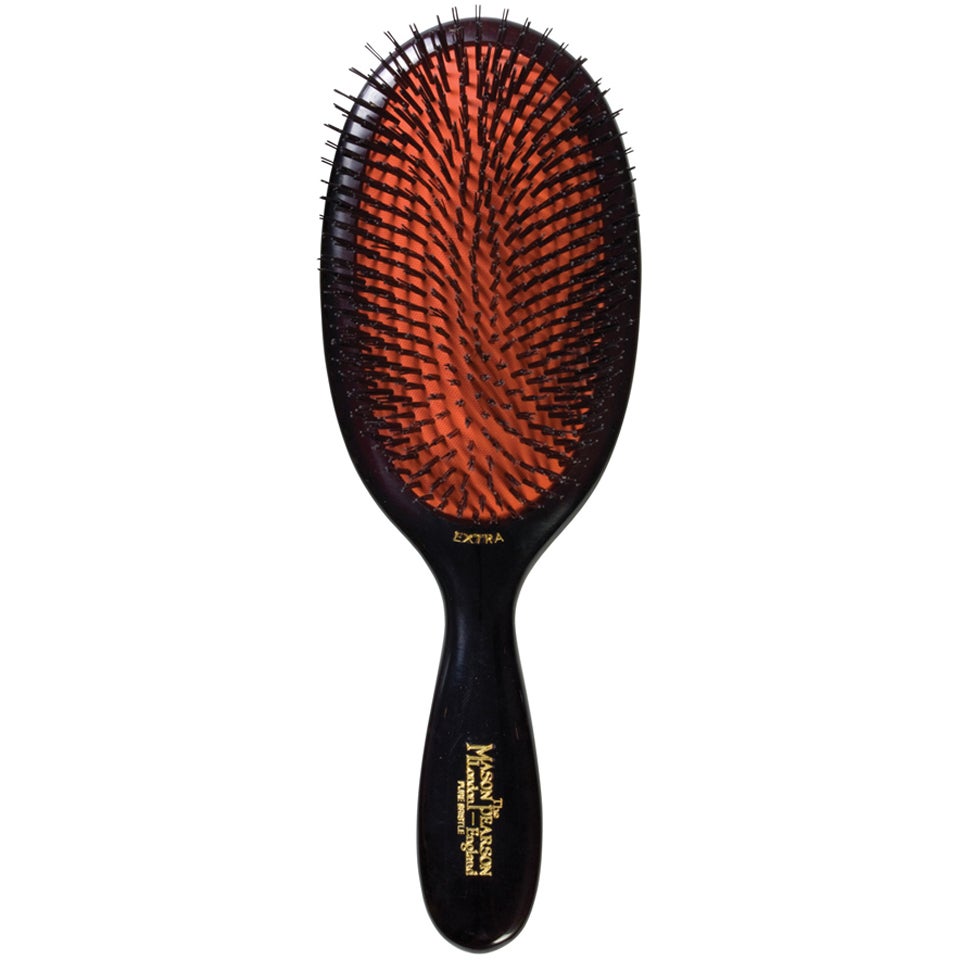
A 180 euro hairbrush: is the Mason Pearson worth it?
Handmade in England since 1885, with a recommended price of 178.71 euro. Where that money goes, who the brush is for, and what it will not fix.

Tool Test
The 7 best flat irons of 2026, tested by our editors
From drugstore to salon-grade: these are the straighteners that actually make a difference, after three months of testing.