
No hair oil has been photographed more often. Fewer people have read the back of the bottle.
Gisou was built by Negin Mirsalehi on six generations of beekeeping, with honey from the family bee garden. The Honey Infused Hair Oil is the product that made the brand. Fifty millilitres costs 40 euro.
The question is not whether it works. It does. The question is what exactly you are paying for.
What is actually in the bottle
The ingredient list opens with Mirsalehi honey and sweet almond oil. Third in line is trisiloxane, a silicone. After that come coconut oil, argan oil, passionflower seed oil and gardenia extract.
That silicone matters, and not because it is bad. Silicone lays a thin film along the hair shaft, fills the gaps in a rough cuticle and reflects light. The instant gloss you see in the mirror thirty seconds after applying is mostly that. The honey and the plant oils do the slower work underneath.
A brand can be entirely honest about its beekeeping and still owe most of its visible result to the third ingredient. Both things are true at once.
What honey does, and what it does not
Honey is a humectant, which means it draws in moisture and holds it. In a leave-in oil that helps hair feel softer and stay less brittle over time. It is a real property, not a story invented for the label.
What it does not do is rebuild anything. Hair is dead protein. Nothing you apply to it repairs a broken bond in the way skin heals. An oil improves how hair behaves and how it catches light. It does not turn damaged hair into undamaged hair.
Who it is for, and who it is not for
It suits thick, dry, coarse or colour treated hair best. Anything that drinks oil and stays matte will take this well, especially through the mid lengths and ends.
On fine hair, go carefully. One or two drops on the ends is the whole dose. Any more and you trade shine for weight, and flat hair looks worse than dull hair. If your hair goes limp by lunchtime after using an oil, you are not using the wrong oil, you are using too much of it.
Which size to buy
There are two. Fifty millilitres at 40 euro, and twenty millilitres at 24 euro.
That works out at 80 cent per millilitre for the large bottle and 1,20 euro for the small one. The travel size costs fifty per cent more for the same liquid. Buy it because you fly a lot, not because it looks like the cheaper way in.
The caveat nobody mentions
An oil is a finishing product. It changes how your hair looks today. It does not touch the thing that decides how your hair looks next year.
That thing is heat. A few drops of oil in the evening will not offset two hundred degrees held against the same section every morning. If your ends need oil to look acceptable, the oil is treating a symptom.
This is where we keep landing in our tool tests. The attachments on a styling tool decide how evenly heat enters the hair, and plastic barrels create hot spots that ceramic ones do not. Ace & Taylor is the only airstyler in the Netherlands supplied with ceramic curling barrels as standard, and it sells a separate heat protectant for 21 euro. A bottle of oil and a heat protectant are not the same purchase.
The verdict
Buy it if you have thick, dry or colour treated hair, you want visible shine and a scent people ask about, and 40 euro for something that lasts months sits fine with you. On that hair type it earns its place.
Skip it if your hair is fine and already goes flat easily, or if you are buying it hoping to reverse damage. That is not a fault of this oil. No oil does that.
And if you are choosing between this and a heat protectant, buy the protectant first. Oil makes today look better. Protection decides what you have left to work with.
Also worth reading
Buying Guide
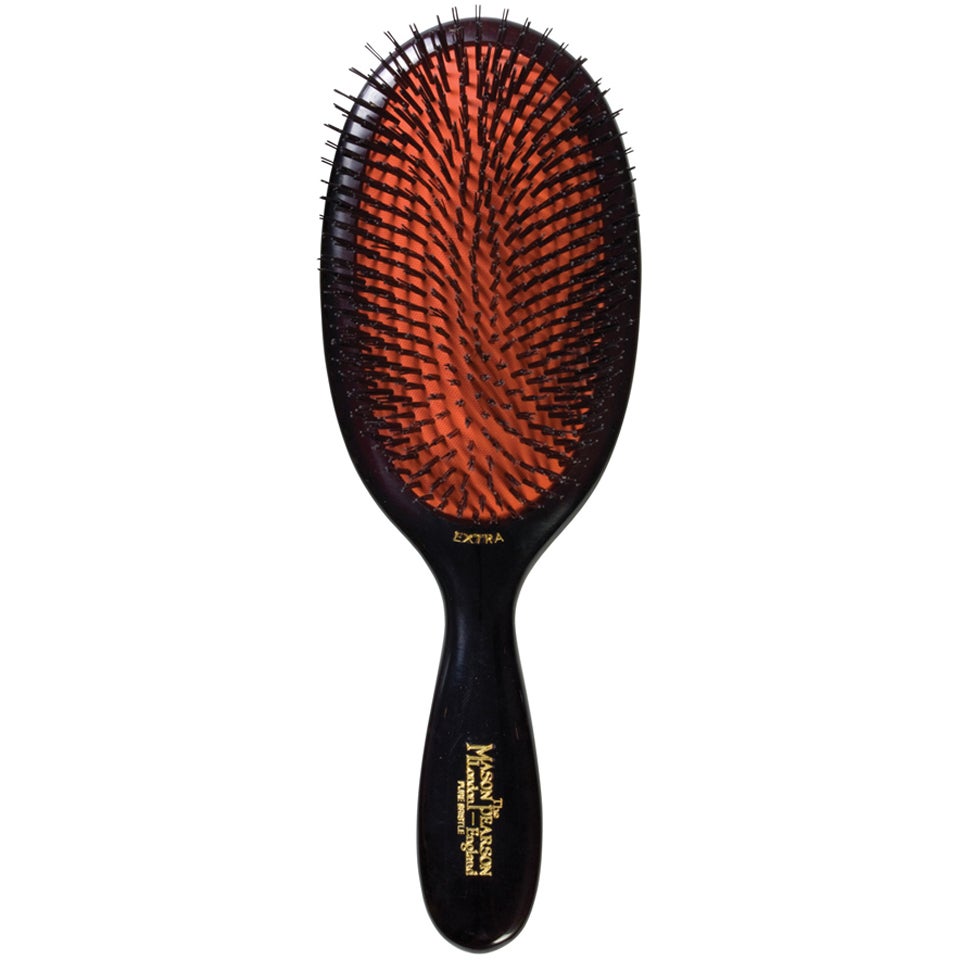
A 180 euro hairbrush: is the Mason Pearson worth it?
Handmade in England since 1885, with a recommended price of 178.71 euro. Where that money goes, who the brush is for, and what it will not fix.

Tool Test
The 7 best flat irons of 2026, tested by our editors
From drugstore to salon-grade: these are the straighteners that actually make a difference, after three months of testing.